Landscape Design vs. Landscape Installation: What's the Difference and Do You Need Both?
Many homeowners planning an outdoor project encounter landscape design services for the first time and wonder how it differs from landscape installation. This article explains both terms, when you may need one or both, and why that distinction matters for properties in Fort Worth, TX, where climate, soil, and local regulations all shape what works in a yard.
What Is Landscape Design and What Does It Actually Involve?

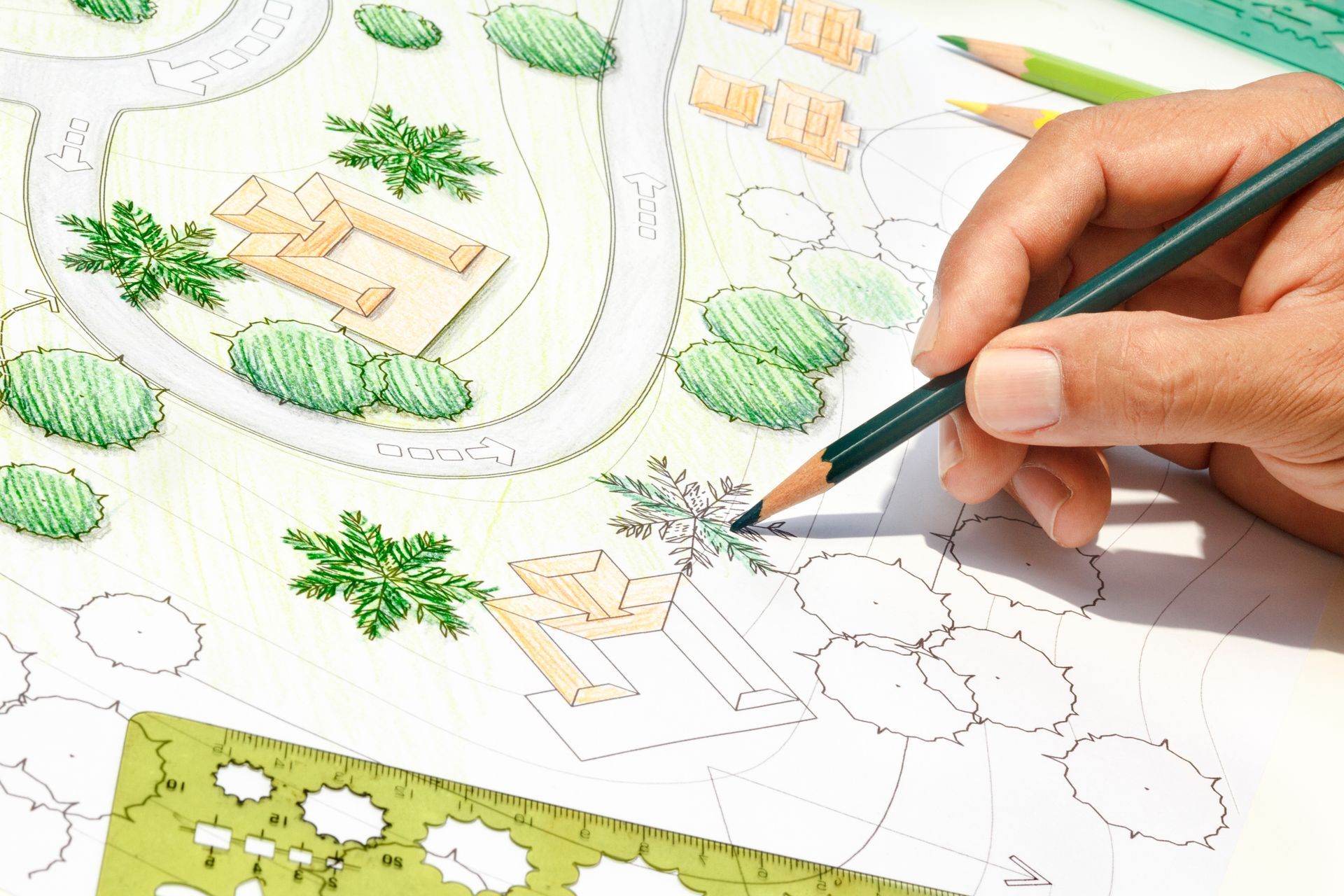
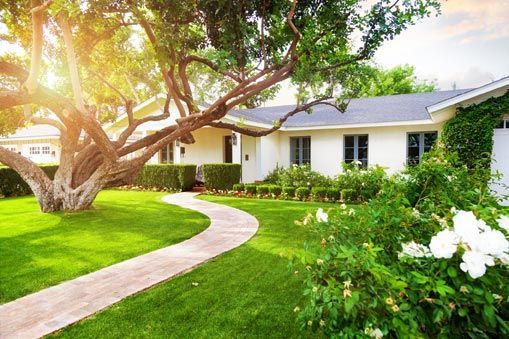
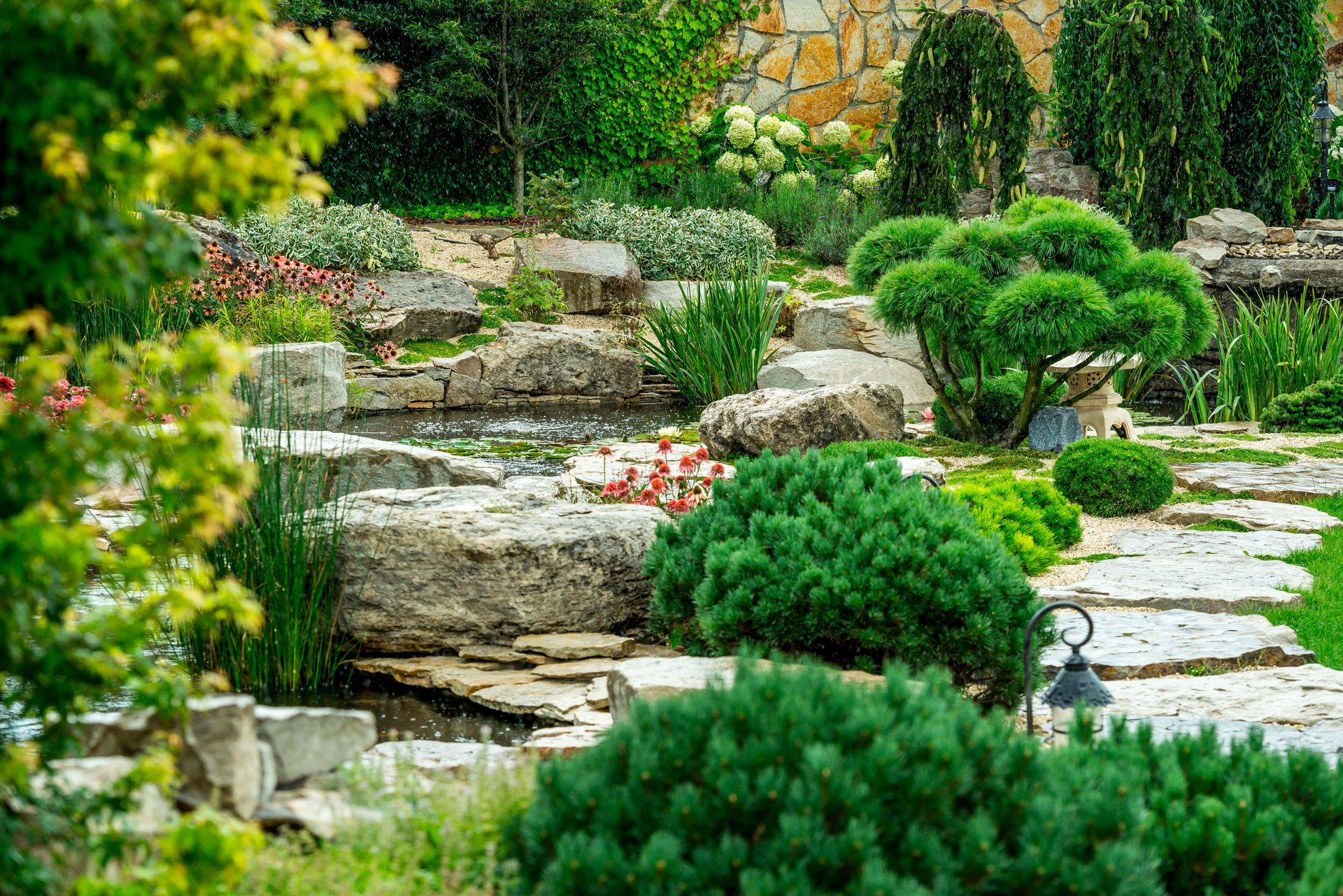
Landscape design is the planning phase of any outdoor project. A designer studies your property, your goals, and site conditions before a single plant goes in the ground. The result is typically a detailed layout showing where plants, pathways, water features, and hardscapes will be placed and why.
Good landscape design services go well beyond picking out pretty flowers. Designers account for sun patterns, drainage, and how different areas of the yard will be used throughout the year. They also match plant choices to soil type and local growing conditions, which matter a great deal in North Texas.
In Fort Worth, TX, that soil is the first challenge. The area sits on expansive black clay that swells when wet and shrinks and cracks when dry. A thorough design phase catches drainage and foundation concerns early, before installation begins and fixes become expensive.
What Is Landscape Installation and How Does It Differ From Design?

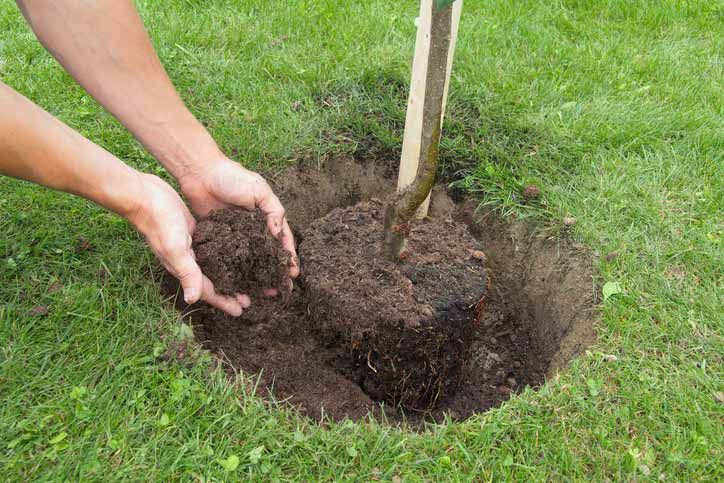
Landscape installation is the physical work of building what the design calls for. Installation crews grade soil, plant trees and shrubs, lay sod or seed, install irrigation, and construct hardscape elements such as patios, walkways, and retaining walls.
Installation without a prior plan can lead to mismatched plant placements, poor drainage outcomes, and wasted materials. Design without installation simply stays on paper. The two phases are meant to work together.
Think of it this way: design is the blueprint, and installation is the build. A contractor who handles both can catch potential issues during planning and translate those decisions directly into fieldwork, with far less back-and-forth.
Do You Need Both Landscape Design and Installation Services?
Most property owners benefit from both, particularly for projects that involve significant changes to grading, plantings, or hardscaping. The question is really about project scope.
For a small refresh, such as replacing a flower bed or adding mulch, standalone installation may be sufficient. But for a full yard transformation, the addition of a patio or outdoor living area, or a major replanting, skipping the design phase often creates problems that cost more to fix later.
Here are situations where having both is typically the smarter approach:
- You are redesigning a large yard or multiple outdoor zones.
- Your property has drainage issues, slopes, or difficult soil conditions.
- You want a cohesive look that ties together trees, shrubs, lawn, and hardscape.
- Your neighborhood HOA requires plan submissions before work begins.
- You are planning irrigation as part of the project.
Fort Worth Specifics That Make Design-First Landscaping Important
Fort Worth's climate and regulatory environment add layers of complexity that make thoughtful planning especially valuable.
Climate and Soil Challenges

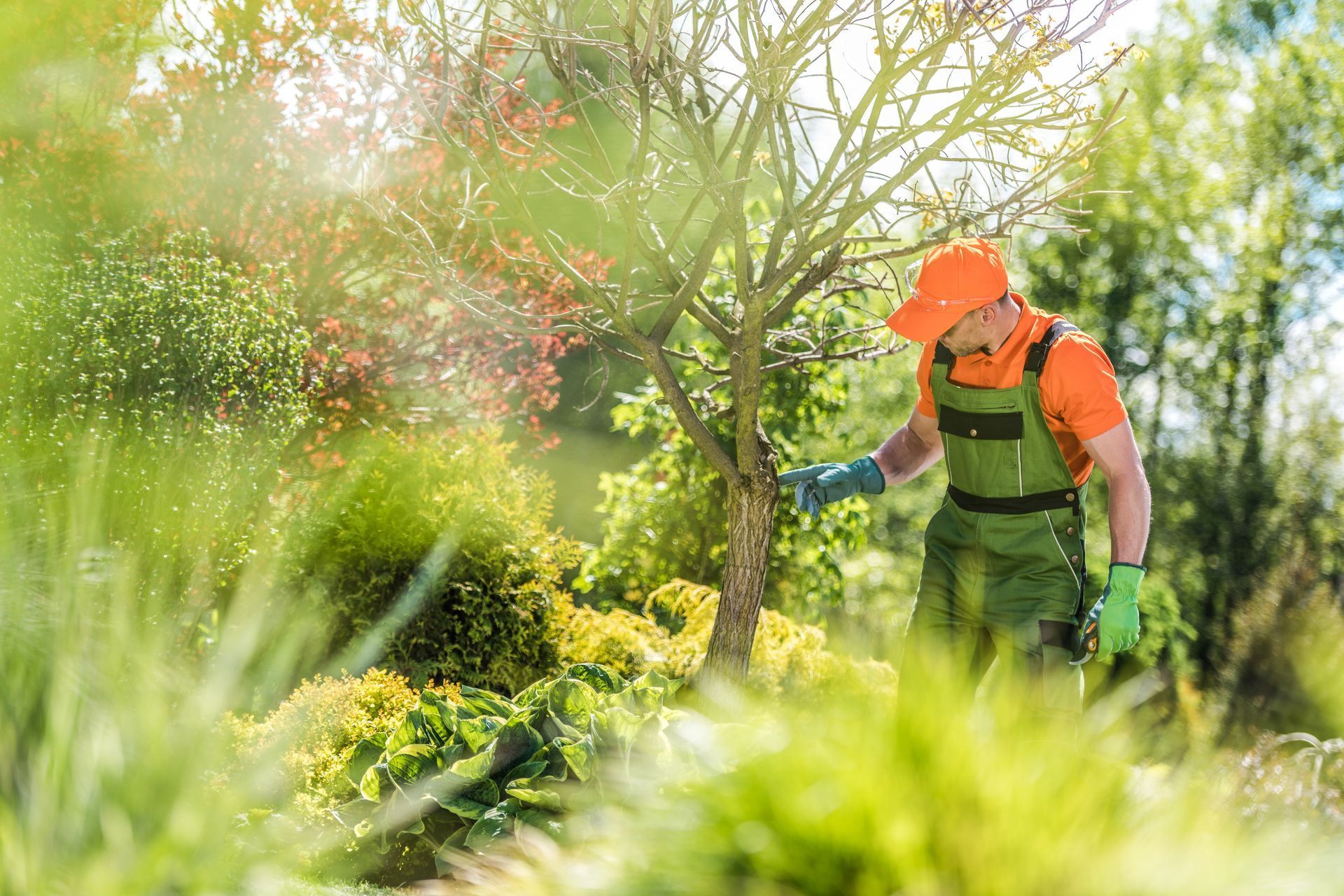
Summers in Fort Worth are regularly extreme, and spring storms bring hail that can damage soft-leaved plants and hardscape surfaces. Plant selection during the design phase should account for drought tolerance, heat exposure, and hail resilience. Choosing the wrong plants without a plan can mean replacing them every season.
HOA Approval Requirements
Many Fort Worth subdivisions, particularly in corridors like Alliance, Chisholm Trail, and Walsh Ranch, require architectural review board approval before any significant front-yard modification. That approval typically calls for a formal plan with plant lists, materials, and elevations. Having landscape design services produce that documentation before installation begins keeps your project on schedule and avoids costly rework.
Note that HOA approval and city permits are separate requirements. Retaining walls over four feet tall, new electrical for landscape lighting, and certain structures may require a city permit in addition to HOA sign-off. A professional design phase can identify these requirements up front.
Irrigation Planning in a Hot Climate
Irrigation should never be an afterthought in North Texas. Designing your irrigation layout at the same time as your landscape plan ensures that water zones match actual plant water needs and that installation does not require tearing up finished work to add lines.
How a Design-Build Approach Can Streamline Your Project
A single team that offers both landscape design services and installation can reduce the friction between the two phases. When the same professionals who drew the plan are also doing the installation, site changes can be handled quickly without miscommunication between separate contractors. This approach also tends to produce more accurate estimates because the installer already understands the scope.
Homeowners in Fort Worth who want both services from one provider can explore the full range of offerings at the lawn and landscaping services page, or visit the landscaping design page for more on how design and installation work together.
Ready to Start Your Fort Worth Landscape Project?
Knowing the difference between design and installation is the first step toward a yard that works for your property, your climate, and your household. Horton Tree Service, serving Fort Worth, TX, and the surrounding North Texas area, offers professional landscape design services alongside full installation so homeowners can move from idea to finished yard with one trusted team.
Call (817) 572-2334 to request a free quote, or contact the team online to discuss your project. You can also find Horton Tree Service on Google to read reviews and learn more about what neighbors are saying.