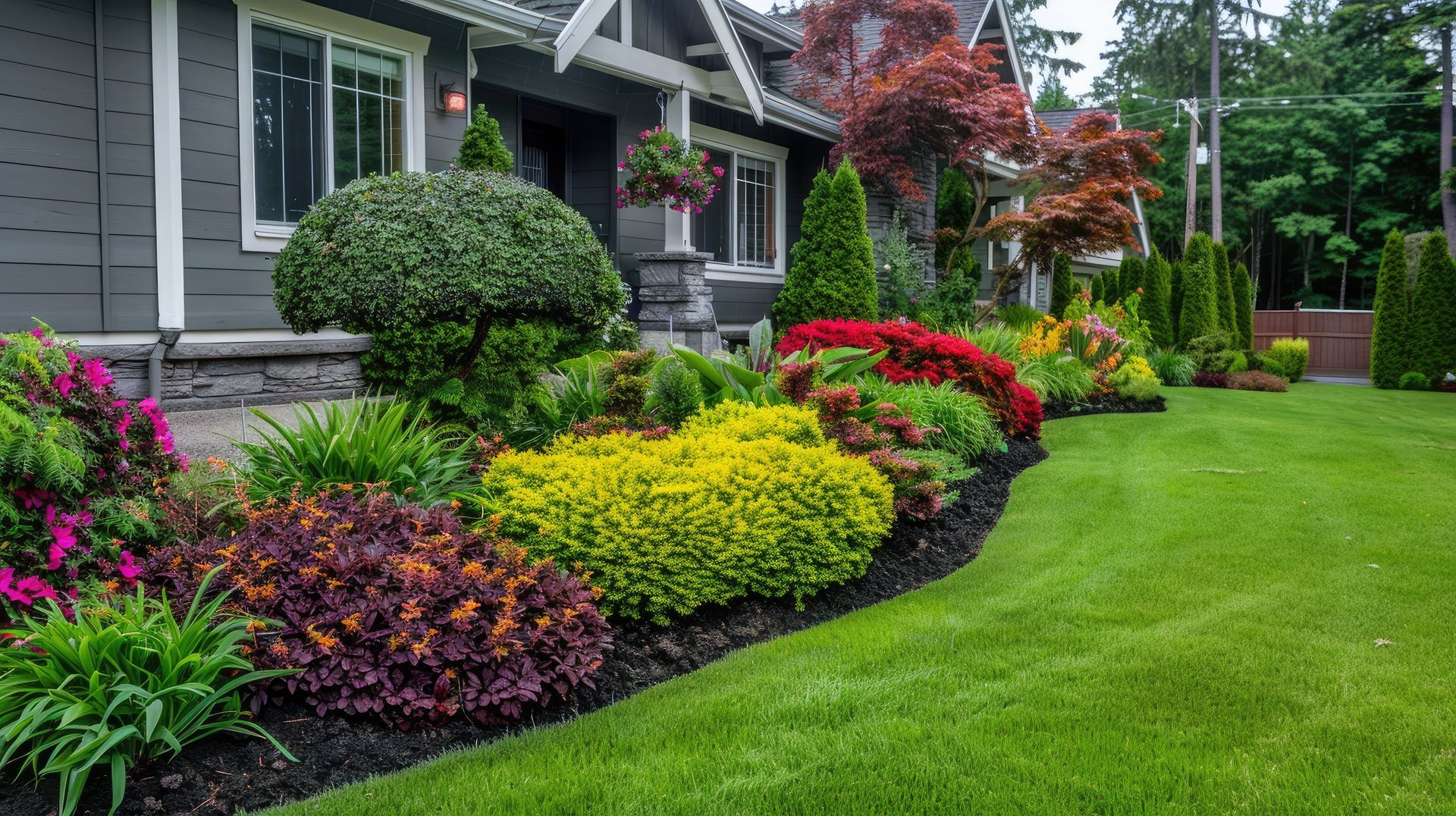
Best Plants for Fort Worth TX Landscape Design in 2026: Heat, Clay Soil, and Drought

Paul Andrew B. DEDEL • October 5, 2026

Share this article

Choosing plants suited to Fort Worth, TX, is one of the most important decisions you can make before starting any landscape design project in North Texas. Summers here regularly push past 100°F, water restrictions can limit irrigation to twice per week, and much of the city sits on heavy, alkaline clay that swells when wet and cracks when dry. Getting plant selection right from the start can mean the difference between a yard that thrives year after year and one that needs constant replacement.

Why Fort Worth's Clay Soil Changes Everything About Plant Selection


Fort Worth sits on some of the most challenging soil in the region. The heavy clay in Tarrant County shrinks and swells dramatically with moisture changes, which can heave roots, crack irrigation lines, and suffocate plants that need good drainage. Fort Worth's clay soil, alkaline pH, summer heat, and twice-per-week watering restrictions narrow the field considerably when choosing plants. This is why smart landscape design in Fort Worth, TX, starts with the soil, not the plant catalog.


You do not need to replace all your clay soil. Improving the top 6 to 8 inches with compost and planting species that already thrive in clay is a practical first step. The Bur Oak is a native Texas powerhouse built for clay, with a deep taproot that handles the shrink-swell cycle better than most species.


Plants to Avoid in Fort Worth Landscapes


Not every popular nursery plant will survive here. Japanese Maple requires acidic, well-drained soil and will develop severe chlorosis and root rot in DFW clay. Pin Oak is highly susceptible to iron chlorosis in alkaline soil, making it a common and costly mistake in DFW landscapes. Skipping these species at the design stage saves you money and frustration.

What Are the Best Plants for Fort Worth Landscaping in 2026?


The plants that perform best here are natives and adapted species that evolved in conditions similar to what North Texas delivers every summer. Below are ten strong performers for Fort Worth yards.


Top Trees for Fort Worth Yards


Bur Oak. A native shade tree with a deep taproot that withstands the shrink-swell cycle. It handles alkaline pH and is more drought-tolerant than many red oak species from the eastern United States.

Cedar Elm. A native shade tree that supports local wildlife. It tolerates compacted clay and summer stress well.


Mexican Plum. This native species produces beautiful white spring blooms, attracts pollinators, and grows to 20 to 25 feet tall, handling DFW clay and heat with minimal supplemental care.


Desert Willow. A drought-tolerant tree with fragrant purple flowers that attract hummingbirds and other pollinators.


Top Shrubs and Perennials for Fort Worth Landscapes


Texas Sage. Features silver-gray foliage and purple blooms after rain. It thrives in full sun and is extremely drought-tolerant once established.


Red Yucca. Among the best plants for full-sun, reflected-heat situations such as along driveways and sidewalks. Once established, it is extremely drought-tolerant.


Yaupon Holly. An evergreen with shade tolerance and low water needs. It works equally well as a hedge or accent plant.


Autumn Sage. Offers red, pink, or coral blooms from spring through fall, attracts hummingbirds, and grows in full sun to part shade.


Texas Mountain Laurel. An evergreen with fragrant purple blooms in spring. It is slow-growing but worth the wait in a Fort Worth yard.


Black-Eyed Susan. A tough perennial that provides yellow color from summer through fall, feeds pollinators, and handles clay soil with minimal supplemental water.

Seasonal Planting Tips for North Texas


Timing your planting around Fort Worth's seasons can dramatically improve survival rates. Fall is generally the best season to plant trees and shrubs in North Texas. Cooler temperatures reduce transplant stress, and winter rains help roots establish before summer heat arrives. Spring is a good second option for perennials and warm-season grasses.


Summer planting is risky for most species. If you must plant in summer, water deeply at the root zone rather than frequently at the surface. Heavy clay holds moisture, so watering deeply but less often is the right approach. Native and drought-tolerant plants have deep root systems that give them a natural ability to withstand heat stress.


Mulch is your best ally year-round. A 3- to 4-inch layer of organic mulch over planting beds moderates soil temperature, slows moisture loss, and gradually improves clay structure as it breaks down.


Grouping Plants by Water Needs


One of the most effective techniques in landscape design for Fort Worth, TX, is hydrozoning: grouping plants with similar water needs together. This lets you run irrigation efficiently and avoids overwatering drought-tolerant species. Placing a Texas Sage next to a plant that needs weekly watering sets both up to fail. Drip irrigation is preferred because it reduces evaporation and puts water directly at the root zone. A thoughtful plan that accounts for water zones from the beginning will save you time, money, and plant losses over the long term. Working with a professional ensures these principles are applied correctly from day one.

Ready to Plan Your Fort Worth Landscape?


Choosing the right plants is just the first step. A complete plan also accounts for soil prep, sun exposure, drainage flow, and how different zones of your yard connect visually and practically. That is where professional guidance makes a real difference.


Horton Tree Service, serving Fort Worth, TX, and the surrounding North Texas area, can help you develop a landscape design plan that works with your soil, your water budget, and your property's unique conditions. Whether you need tree selection, bed planning, or full-yard design and installation, the team is ready to help. Contact us to request a free quote, or call 817-572-2334 <Link to call> today. You can also find and review Horton Tree Service on Google.

Recent Posts

Curved landscape design bed with layered shrubs and flowers along a front lawn.
By Paul Andrew B. DEDEL • October 5, 2026
Learn how landscape design services differ from installation and when you need both. Horton Tree Service serves Fort Worth, TX.
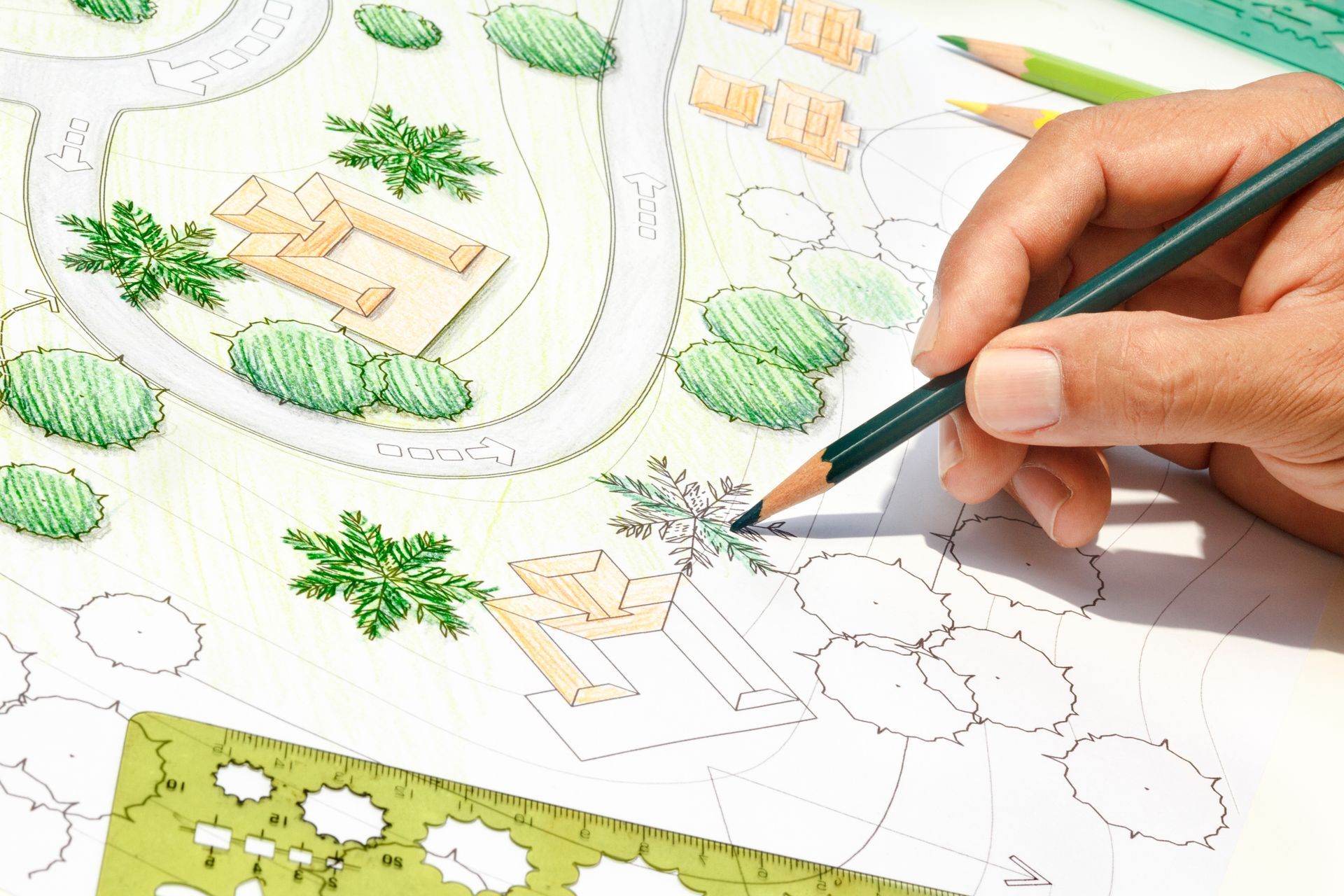
Designer sketching a colored site plan during a landscape design services consultation.
August 26, 2026
Learn what to expect from a landscape design consultation in Arlington, TX. Horton Tree Service offers expert design and planning. Call us at (817) 572-2334!
Gardener in orange vest and hat trimming shrubs in a sunny green garden
June 18, 2026
Spot the warning signs that need tree service in Burleson, TX. Horton Tree Service offers expert evaluations and fast response. Call today for a free quote.
Arborist cutting a tree trunk with a chainsaw while secured by a harness outdoors
February 24, 2026
Protect your home with Horton Tree Service in Crowley & Burleson, TX. Learn hazard tree warning signs. Call 817-572-2334 or click here for expert help!
Orange stump grinder cutting a tree stump, spraying wood chips in a muddy yard
July 29, 2025
Learn the benefits of tree stump removal in Texas. Choose Horton Tree Service for expert removal. Call now at 817-572-2334 for a free quote!
Arborist in blue climbing gear trimming a tree branch high above the ground
By Aaron.Betts • June 6, 2025
Protect your yard with expert tree maintenance services in Arlington, TX. Call Horton Tree Service at (817) 572-2334 for safe and complete stump removal.
Worker in orange safety gear on a cherry picker trimming a tree beside a blue sky
January 30, 2025
Keep your commercial property safe and beautiful with tree maintenance services in Arlington TX. Expert care ensures healthy trees and prevents costly accidents.
Large sprawling oak tree with twisting branches and dense green leaves over a forest floor
September 21, 2018
If you worry about your trees falling over in high winds, plant some trees that can withstand the wind. These five varieties are strong and hardy.
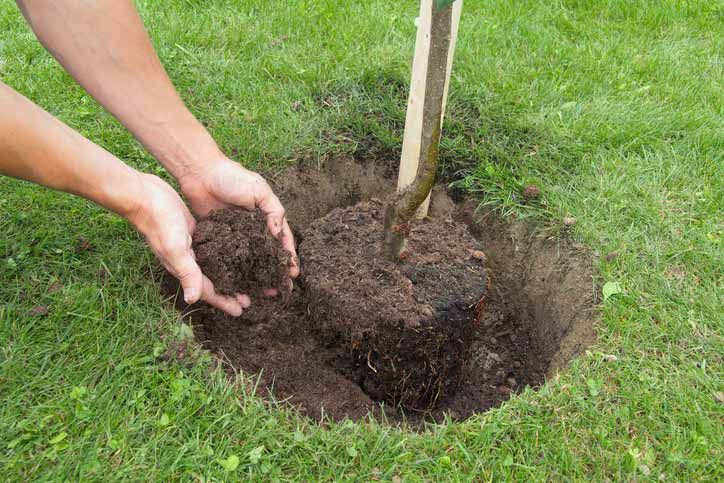
Hands planting a young tree in a grassy hole outdoors
July 25, 2018
Homeowners who plant a tree on their property can start their tree off right by following proper procedure. Follow this guide when planting.
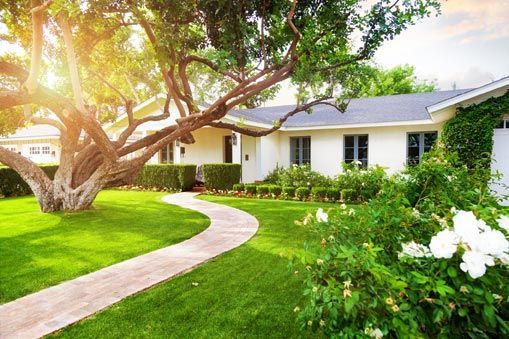
Sunlit white house with a curved walkway, green lawn, and flowering trees and shrubs
May 24, 2018
Sometimes even the best intentions can cause more harm than good. Learn why relying on professionals for tree care is better than the DIY route.

Show More


