Why Fort Worth's Soil and Climate Make Drought Planning Essential
Drought-resistant planning is a practical necessity in Fort Worth. Long dry spells, extreme summer heat, and rising water bills make traditional lawn care a constant uphill battle. North Texas soil is often clay-heavy, causing water to run off rather than soak in, while surface evaporation accelerates during summer months.
Local soils range from compacted clay to sandy loams. Clay-dominant yards drain poorly and are erosion-prone during heavy rain events. Understanding these conditions before your landscape installation begins helps you choose plants and systems that will actually survive over the long term.
A 4-Step Planning Process for Drought-Resistant Landscape Installation
Step 1: Assess Your Site Before You Plant Anything
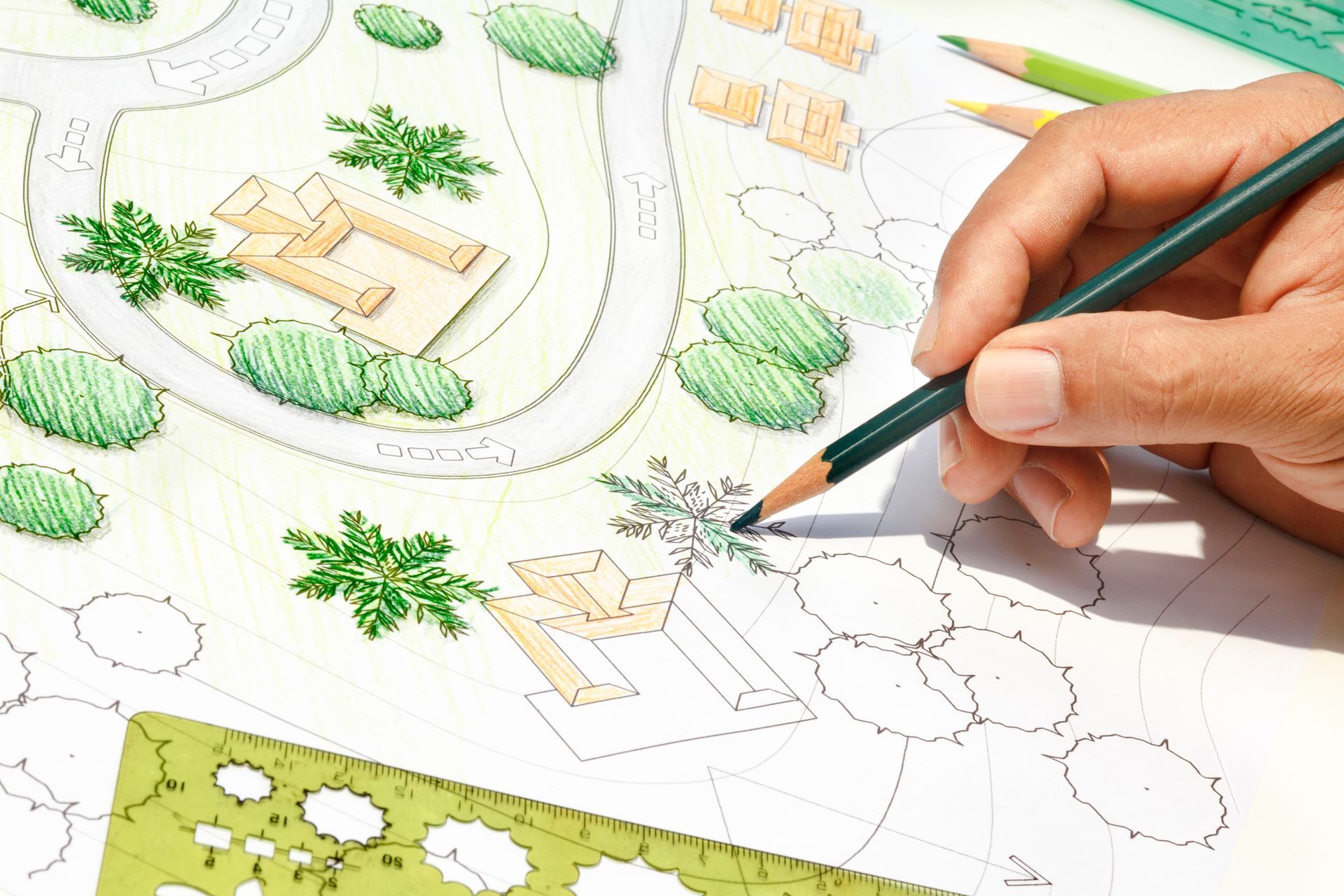
Walk your yard at different times of day and note sun exposure, shade patterns, and drainage. Mapping these microclimates before selecting plants prevents placing a drought-tolerant species against a west-facing wall with compacted clay and no airflow, where it will still fail. Note where water pools after rain and where soil dries fastest.
Step 2: Prepare Your Soil
Soil prep determines whether a Fort Worth project succeeds or fails. Compaction limits infiltration, keeping roots shallow. Heavy clay can hold water at the surface while remaining dry below grade. For clay soils, apply gypsum sparingly and incorporate amended compost near planting holes to improve infiltration and root establishment.
Apply 2 to 3 inches of organic mulch to reduce surface evaporation and moderate soil temperature. Keep mulch pulled back from tree trunks and plant stems to prevent rot.
Step 3: Select Native and Drought-Tolerant Plants
Native plants form the foundation of any drought-resistant design in this region. They require less irrigation, fertilizer, and pest control than non-native species because they evolved for local soil and weather conditions.
Strong plant choices for Fort Worth yards include:
- Texas Sage (Leucophyllum frutescens), which thrives in North Texas heat with silvery-gray foliage and purple blooms.
- Buffalo grass, a native turfgrass that stays green with minimal irrigation.
- Texas Red Oak, which offers fall color and deep roots that access groundwater during dry periods.
- Gulf Muhly and Lindheimer Muhly, popular drought-tolerant native grasses.
- Texas lantana, highly drought-tolerant with colorful blooms that spread well across garden beds.
For additional guidance, the
native and drought-tolerant plants guide on the Horton Tree Service site is a useful reference.
Most drought-resistant plants need one to two growing seasons to fully establish. Plan for supplemental watering during that first year even with drought-tolerant selections.
Step 4: Install a Water-Efficient Irrigation System
Drip irrigation and soaker hoses deliver water slowly at the root zone, making them the most efficient options for landscape beds. Group drought-tolerant plants together by water need and rely on drip systems rather than overhead spray to keep water where roots can use it.
Many Fort Worth neighborhoods are subject to seasonal watering restrictions. A smart irrigation controller with a rain sensor helps you stay compliant while protecting your investment year-round.
Key Water-Saving Benefits
A drought-resistant landscape installation typically delivers measurable advantages over a traditional turf-heavy yard:
- Lower water usage during peak summer months through native plant selection.
- Reduced need for fertilizers, pesticides, and frequent mowing.
- Greater resilience during Tarrant County drought conditions and watering restrictions.
- Improved curb appeal that holds up through July and August heat without constant intervention.
- A rain garden helps properties respond to both drought and sudden heavy rainfall by accepting runoff during storms and supporting plants longer between watering events.
Frequently Asked Questions
What Makes Xeriscape Different From a Standard Landscape Installation?
Xeriscaping is a design method that reduces or eliminates supplemental irrigation through drought-tolerant plants, efficient water management, and smart design principles. A standard installation may rely on traditional turf requiring heavy watering. A xeriscape-informed installation prioritizes plant groupings by water need, mulch layers, and efficient irrigation from the start.
How Long Does It Take to See Results From a Drought-Resistant Installation?
Most drought-tolerant plants show established growth within one full growing season. By year two, maintenance needs drop significantly as root systems deepen into Fort Worth clay soil.
Do I Need a Design Consultation Before Starting?
A consultation helps you avoid costly mistakes around plant placement and drainage. The
landscape design services page covers what to expect before your project begins.
Can Drought-Resistant Landscapes Work for Both Front and Back Yards?
Yes. Front yards benefit from low-maintenance shrubs like Texas Sage and ornamental grasses. Back yards often have room for shade trees like Texas Red Oak and rain garden features that manage runoff from patios and structures.
Ready to Start Your Project?
Planning this project takes site knowledge, soil prep, smart plant selection, and an irrigation setup matched to Fort Worth's conditions. Horton Tree Service has served North Texas since 1967 and can help you build a landscape that looks great through the region's toughest summers.
Contact us to request a free quote. Call
817-572-2334
to speak with the team directly.